OEM vs Trading Company: What B2B Buyers Should Know
Introduction: OEM or Trading Company — Which Supplier Is Right for Your Business?
When sourcing custom products from overseas suppliers, B2B buyers often face an important question:
Should you work directly with an OEM manufacturer or purchase through a trading company?
The answer depends on your project requirements, order volume, product complexity, and supply chain strategy.
For products such as custom PVC patches, military patches, tactical badges, and other molded products, understanding the difference between an OEM manufacturer and a trading company can help buyers make better purchasing decisions.
A trading company can provide convenience and access to multiple products, while a direct manufacturer may provide greater control over production, customization, and long-term supply.
This guide explains the major differences and what B2B buyers should consider before selecting a supplier.
What Is an OEM Manufacturer?
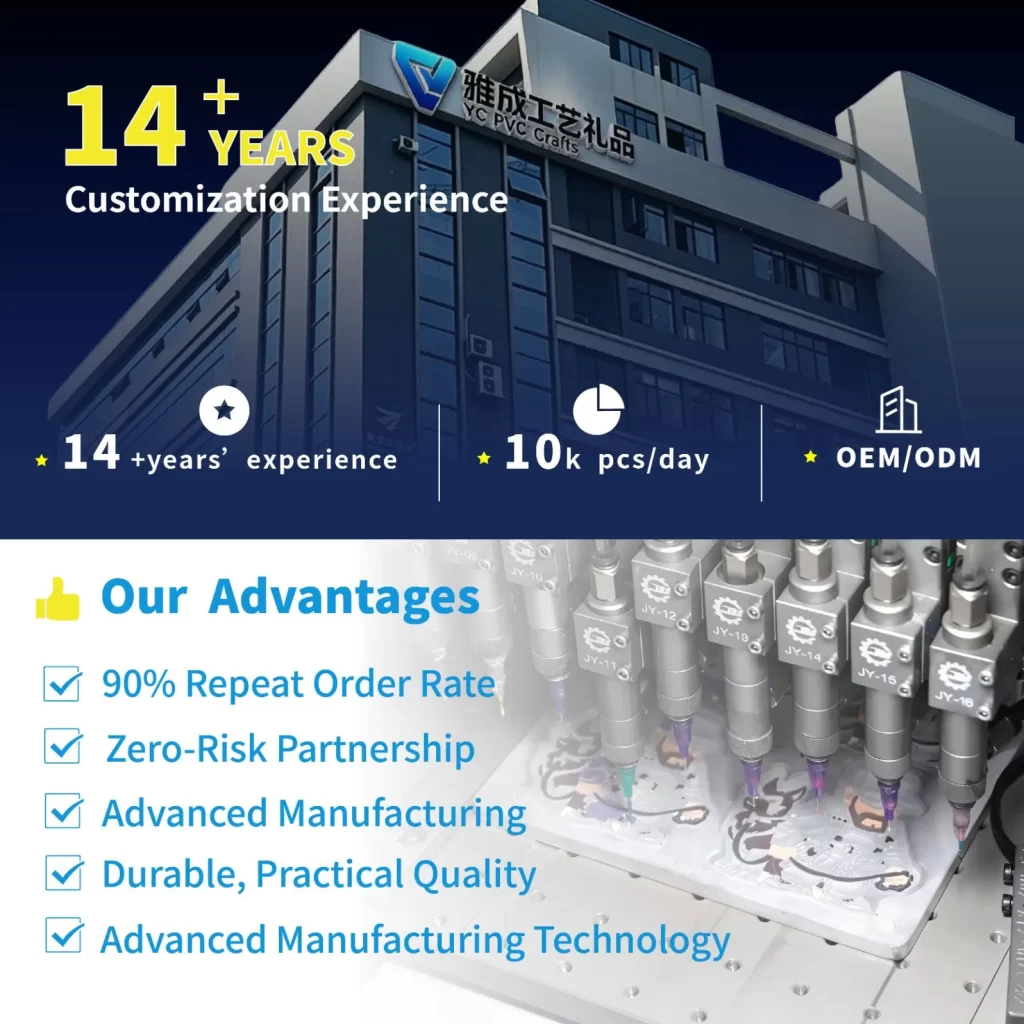
An OEM, or Original Equipment Manufacturer, is a company that manufactures products according to a customer’s specifications.
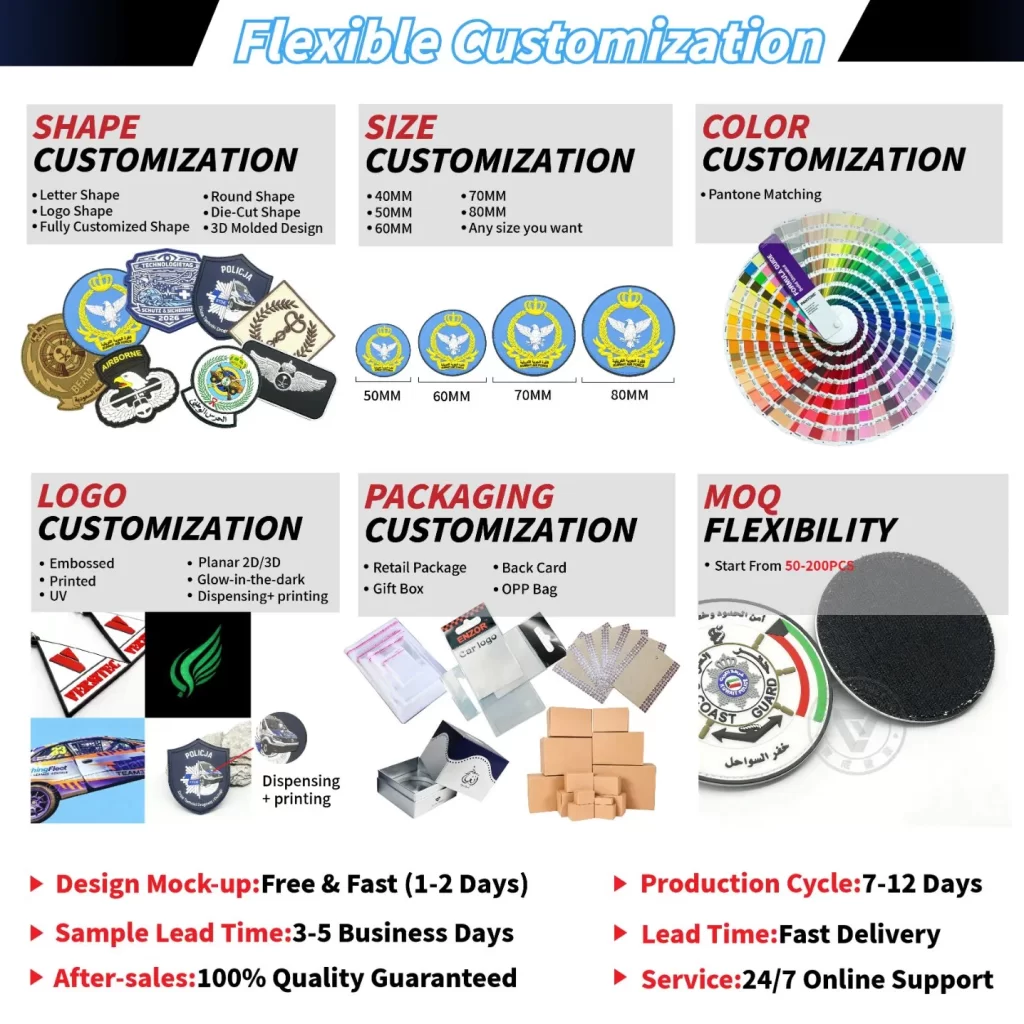
For custom PVC patches, an OEM manufacturer may handle:
- Artwork review
- Mold development
- PVC material preparation
- Color matching
- Injection molding
- 2D and 3D production
- Velcro attachment
- Quality inspection
- Packaging
The manufacturer may produce products under the buyer’s brand or according to specific project requirements.
For B2B customers, direct access to the production team can make it easier to discuss technical requirements and make design adjustments.
What Is a Trading Company?
A trading company typically purchases products from one or more manufacturers and resells them to customers.
Trading companies may provide:
- Supplier sourcing
- Product selection
- Communication support
- Export services
- Consolidated purchasing
A trading company can be useful when a buyer needs products from several factories or does not have the resources to manage suppliers directly.
However, the buyer may have less direct communication with the actual production facility.
OEM Manufacturer vs Trading Company: Key Differences
| Factor | OEM Manufacturer | Trading Company |
|---|---|---|
| Direct Factory Access | Usually | Usually limited |
| Product Customization | High | Depends on factory |
| Production Control | High | Lower |
| Communication With Production Team | Direct | Through intermediary |
| Product Range | Usually specialized | Often broad |
| Price Structure | Direct factory pricing | May include intermediary margin |
| Quality Control | Directly managed | Depends on supplier network |
| OEM Development | Strong | Depends on manufacturing partner |
| Repeat Production | Easier to standardize | Depends on factory relationship |
| Multi-Product Sourcing | Limited | Often convenient |
Neither model is automatically better for every buyer. The right choice depends on the purchasing requirements.
1. Product Customization
Customization is one of the biggest differences between an OEM factory and a trading company.
For standard products, a trading company may be perfectly suitable.
For highly customized products, however, direct communication with the manufacturer can be valuable.
For example, a custom PVC patch may require:
- Specific dimensions
- Multiple PVC layers
- Raised 3D details
- Special colors
- Custom shapes
- Velcro backing
- Specific packaging
An OEM PVC patch manufacturer can evaluate whether these requirements are technically feasible before production.
2. Communication With the Production Team
B2B projects often involve technical details that cannot be fully communicated through a simple product specification sheet.
For example, a buyer may ask for:
“Make the lettering slightly raised and keep the small details visible.”
A manufacturer can directly evaluate:
- Mold structure
- Minimum line thickness
- Layer height
- Material flow
- Production limitations
With a trading company, the same request may need to pass through several people before reaching the factory.
Direct communication can therefore reduce misunderstandings for complex projects.
3. Pricing and Cost Structure
Price is another important consideration.
A trading company generally needs to add a margin to cover:
- Sourcing
- Communication
- Administration
- Export services
- Customer support
A direct OEM supplier may provide a more transparent manufacturing cost structure.
However, buyers should not assume that every factory will automatically offer the lowest price.
Total procurement cost can also depend on:
- MOQ
- Mold fees
- Material selection
- Packaging
- Shipping
- Quality requirements
- Order volume
The best approach is to compare suppliers based on total landed cost, not only unit price.
4. Quality Control
Quality control is especially important for custom products.
A direct manufacturer can usually control:
- Raw materials
- Mold production
- Injection molding
- Finishing
- Velcro attachment
- Final inspection
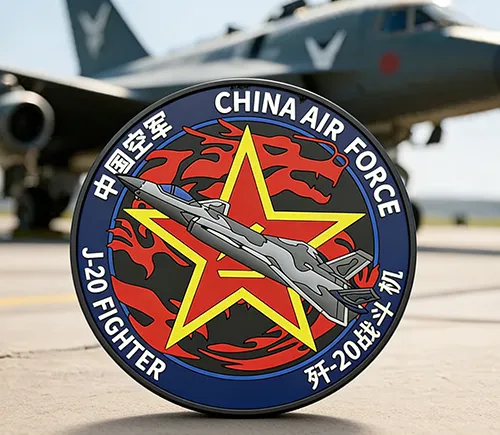
For military PVC patches, consistent dimensions, colors, surface quality, and backing attachment may be particularly important.
A trading company can also provide quality control, but the process depends on how closely it works with its manufacturing partners.
B2B buyers should ask:
- Where is the product actually manufactured?
- Who performs the final inspection?
- Can inspection records be provided?
- Can the buyer approve a pre-production sample?
- How are defects handled?
5. Production Consistency for Repeat Orders
Repeat orders are common in B2B procurement.
A buyer may order the same patch several times over a period of months or years.
Direct OEM relationships can make repeat production easier because the manufacturer can maintain:
- Approved artwork
- Existing molds
- Color references
- Production specifications
- Historical order information
This is particularly useful for organizations that require standardized military PVC patches across different production batches.
6. MOQ and Production Flexibility
Trading companies sometimes have access to multiple factories, which can make them flexible for smaller or mixed orders.
OEM manufacturers, on the other hand, may have minimum order quantities based on:
- Mold costs
- Production setup
- Material preparation
- Machine efficiency
For large B2B orders, however, direct manufacturing often becomes more attractive because the production process can be optimized around the buyer’s requirements.
Before placing an order, ask for:
- MOQ
- Sample policy
- Production lead time
- Mold charges
- Reorder requirements
7. Product Development and Engineering Support
If your project involves a new or technically challenging design, manufacturing expertise becomes increasingly important.
An experienced OEM supplier can help evaluate:
- Whether the artwork is moldable
- How to simplify fine details
- Whether 2D or 3D construction is appropriate
- Suitable patch thickness
- Backing options
- Production tolerances
This is one of the strongest advantages of working directly with a specialized manufacturer.
Instead of simply asking:
“Can you supply this product?”
you can discuss:
“How should we manufacture this product?”
8. Product Range
Trading companies generally have an advantage when buyers need many unrelated products.
For example, an importer may need:
- PVC patches
- Metal badges
- Keychains
- Packaging
- Apparel accessories
A trading company can potentially coordinate multiple suppliers.
An OEM manufacturer usually specializes in a narrower product category.
For buyers who prioritize manufacturing expertise and product consistency, specialization can be an advantage.
9. Lead Time and Production Scheduling
Lead time depends on many factors, including:
- Product complexity
- Quantity
- Mold requirements
- Factory capacity
- Material availability
- Quality inspection
Direct communication with an OEM manufacturer can make it easier to understand where an order is within the production process.
For urgent or recurring B2B orders, buyers should establish a clear production schedule before confirming the purchase.
10. Intellectual Property and Custom Designs
Custom products may involve proprietary:
- Logos
- Brand identities
- Product designs
- Packaging
- Artwork
B2B buyers should understand who has access to their design files and how those files are handled.
When working with an OEM manufacturer, discuss:
- Artwork confidentiality
- Mold ownership
- Usage rights
- Production authorization
- Restrictions on reproducing custom designs
Clear agreements can reduce potential disputes later.
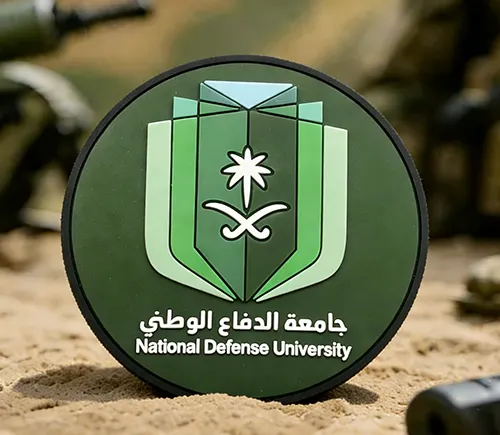
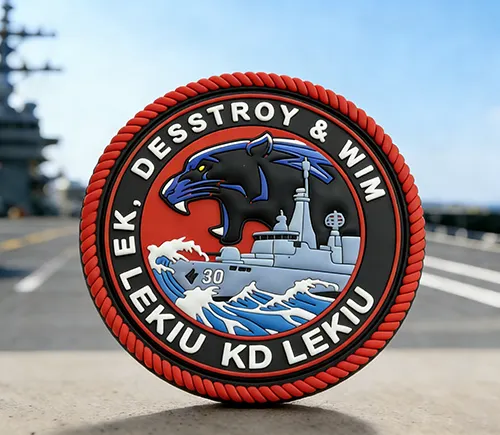

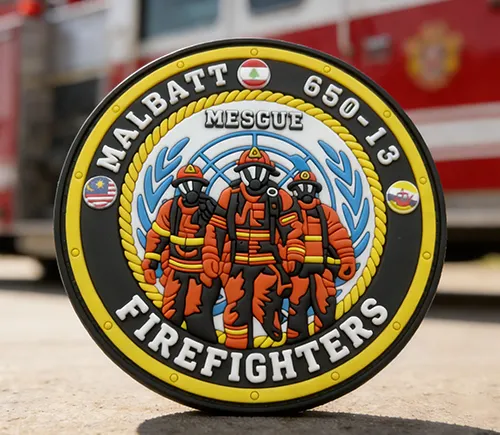



OEM vs Trading Company: Which Is Better for PVC Patches?
For standard, low-complexity orders, either supplier model can work.
However, direct OEM sourcing may be particularly suitable when the buyer requires:
Custom Designs
Unique shapes, logos, and dimensional effects.
Large Quantities
Bulk production where manufacturing efficiency matters.
Consistent Repeat Orders
The same product needs to be reproduced over multiple purchasing cycles.
Strict Specifications
The buyer requires specific dimensions, colors, materials, or backing systems.
Product Development
The design requires technical consultation before manufacturing.
For these projects, working directly with a specialized custom PVC patches supplier can provide greater production visibility.
When a Trading Company May Be the Better Choice
A trading company can be a practical option when:
- You need multiple unrelated products
- Your order volume is relatively small
- You want one supplier to manage several factories
- You do not have an internal sourcing team
- You need assistance with supplier coordination
The key is to understand what value the intermediary provides.
A good trading company should offer more than simply adding another layer to communication.
How to Identify a Real OEM Manufacturer
B2B buyers can ask several practical questions.
Ask About Production
- What products do you manufacture in-house?
- Which processes are outsourced?
- What equipment do you operate?
- What is your monthly production capacity?
Ask About Customization
- Can you create custom molds?
- Do you support 2D and 3D PVC patches?
- Can you provide production samples?
Ask About Quality Control
- What inspection procedures do you use?
- How do you control color consistency?
- How do you inspect Velcro attachment?
Ask About Repeat Orders
- Do you keep molds?
- Can you archive approved artwork?
- Can you reproduce the same specifications for future orders?
These questions can help buyers understand the supplier’s actual capabilities.
Questions B2B Buyers Should Ask Before Choosing a Supplier
Before selecting an OEM or trading company, consider asking:
- Who actually manufactures the product?
- Where does production take place?
- Can I communicate directly with the production team?
- Can you provide a physical sample?
- How are quality inspections performed?
- What are the MOQ requirements?
- What is the typical production lead time?
- How are custom molds managed?
- Can you support repeat orders?
- What happens if products do not meet the approved specifications?
The answers are often more valuable than simply comparing quotations.
A Practical Decision Framework
You can use the following framework when evaluating suppliers.
Choose an OEM Manufacturer When:
- Customization is important
- Order quantities are medium to large
- Product consistency matters
- You need technical support
- Repeat orders are expected
- You want direct production communication
Consider a Trading Company When:
- You need many different product categories
- Orders are relatively small
- You want consolidated sourcing
- You need help coordinating several factories
The decision should be based on the complexity and long-term requirements of your project.
Conclusion: Choose the Supply Model That Fits Your Business
There is no universal answer to the question of OEM vs trading company.
Trading companies can provide convenience, sourcing flexibility, and access to multiple product categories.
OEM manufacturers can provide direct production access, greater customization control, technical expertise, and more consistent repeat manufacturing.
For B2B buyers sourcing custom PVC patches, military patches, tactical badges, or other molded products, direct cooperation with a specialized manufacturer can be particularly valuable when quality, customization, and long-term supply consistency are priorities.
The most important step is to look beyond the quotation and understand who actually manufactures your product and how the production process is managed.
A reliable supplier should be able to explain its manufacturing capabilities, quality control procedures, production capacity, and approach to long-term B2B cooperation.
Looking for a Direct OEM PVC Patch Manufacturer?
If your company is sourcing:
- Custom PVC patches
- Military PVC patches
- Police and law enforcement patches
- Tactical Velcro patches
- 2D and 3D PVC badges
- Bulk OEM production
Working directly with a specialized manufacturer can simplify communication and provide greater control over customization and production consistency.
Send your artwork, dimensions, quantity, backing requirements, and target application to request a production assessment and quotation.