
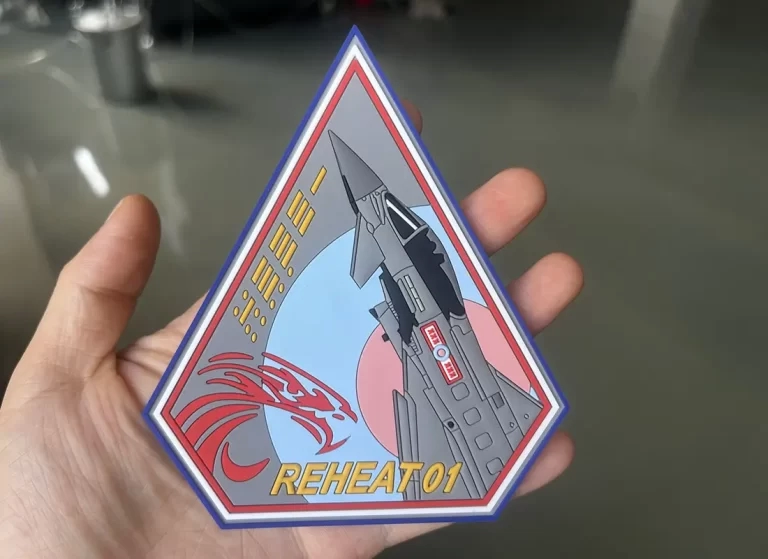
A custom Air Force logo badge is more than a visual identifier—it represents mission, unity, and tradition. For Air Force units and squadrons, a well-designed badge strengthens identity, enhances morale, and serves as a lasting symbol of service and pride.
Whether you are creating a badge for daily uniform use, tactical operations, special missions, or commemorative purposes, understanding the design process, material choices, and manufacturing requirements is essential. This comprehensive guide explains how to design a custom Air Force logo badge that is functional, durable, and visually powerful.
Why Custom Air Force Logo Badges Matter
Custom Air Force badges play a critical role in military and aviation culture. They are used to:
- Identify units, squadrons, and divisions
- Represent mission objectives and core values
- Strengthen unit cohesion and esprit de corps
- Mark deployments, anniversaries, and achievements
- Create collectible and commemorative emblems
A professionally designed badge communicates authority, professionalism, and heritage at a glance.
Step 1: Define the Purpose of Your Air Force Badge
Before starting the design, clearly define how and where the badge will be used.
Common Use Cases
- Uniform insignia (sleeves, chest, shoulders)
- Tactical gear (vests, backpacks, helmets)
- Morale patches with Velcro backing
- Commemorative or deployment badges
- Collector or ceremonial items
Understanding the purpose determines the size, material, attachment method, and level of detail required.
Step 2: Choose the Right Badge Material
Material selection directly impacts durability, appearance, and cost.
Popular Materials for Air Force Logo Badges
Soft PVC (3D Embossed Rubber Badge)
- Waterproof and weather-resistant
- Flexible and lightweight
- Excellent for tactical and outdoor use
- Ideal for 3D embossed designs
Silicone Rubber Badges
- High elasticity and durability
- Modern, clean appearance
- Suitable for high-impact environments
Embroidered or Woven Patches
- Traditional and lightweight
- Best for dress uniforms
- Limited detail compared to PVC
Metal Badges (Enamel or Die-Struck)
- Premium, ceremonial appearance
- Popular for commemorative or collector editions
- Heavier and less flexible
👉 For most modern Air Force units, 3D embossed PVC badges are the preferred choice due to their durability and tactical versatility.
Step 3: Develop the Core Design Elements
A strong Air Force badge design balances symbolism and clarity.
Key Design Components
- Unit or Squadron Name
- Air Force insignia or wings
- Eagle, aircraft, or shield symbols
- Motto, slogan, or mission phrase
- Establishment year or deployment date
Design Best Practices
- Keep text clear and readable
- Avoid overcrowding the design
- Use strong contrast for visibility
- Ensure symbols remain recognizable at small sizes
Step 4: Select Shape and Size
Common Shapes
- Shield
- Circle
- Rectangle
- Winged emblem
- Custom die-cut shape
Recommended Sizes
- Uniform patches: 2–3 inches
- Tactical morale patches: 3–4 inches
- Collector badges: 3–5 inches
The shape should reinforce the design theme while fitting comfortably on uniforms or equipment.
Step 5: Choose Colors and Finish
Color Selection
- Use Pantone color matching for accuracy
- Consider subdued colors for tactical use
- Full-color designs work well for ceremonial or collector badges
Finish Options
- Matte finish (low reflection for tactical use)
- Glossy finish (premium visual impact)
- Textured or layered 3D embossing
Professional manufacturers can replicate precise color tones to maintain consistency across all units.
Step 6: Decide on Attachment Method
The backing choice depends on how frequently the badge will be changed.
Common Backing Options
- Velcro (Hook & Loop): Ideal for tactical and morale patches
- Sew-on: Permanent uniform attachment
- Adhesive or Heat Seal: For caps and lightweight garments
- Pin or Clutch Back: Common for metal badges
For modern Air Force applications, Velcro-backed PVC badges are the most versatile and widely used.
Step 7: Create a Digital Mock-Up
Once the design elements are defined, request a digital 2D or 3D mock-up from your manufacturer.
A professional mock-up should show:
- Exact dimensions
- Color layers
- Embossed and recessed areas
- Border thickness
- Backing type
This step ensures there are no misunderstandings before mold production.
Step 8: Prototype and Sample Approval
Before mass production, always request a physical sample.
Sample Evaluation Checklist
- Color accuracy
- Embossed detail clarity
- Edge smoothness
- Attachment strength
- Overall thickness and weight
Making adjustments at this stage saves cost and time during bulk manufacturing.
Step 9: Work with a Reliable Manufacturer
Choosing the right custom Air Force logo badge manufacturer is critical.
What to Look For
- Experience in military and tactical badges
- OEM & ODM customization services
- Strict quality control processes
- International certifications (SGS, RoHS, EN71)
- Competitive factory-direct pricing
- Global shipping capabilities
China-based manufacturers specializing in custom PVC patches often provide the best balance of quality, customization, and cost efficiency.
Step 10: Production, Packaging, and Delivery
Once the sample is approved:
- Confirm production quantity
- Select packaging (individual polybags, cards, or boxes)
- Finalize lead time and shipping method
Typical production time:
- Samples: 7–10 days
- Mass production: 10–20 business days
Common Design Mistakes to Avoid
- Overloading the badge with too much text
- Using low-contrast colors
- Ignoring size limitations
- Skipping sample approval
- Choosing the wrong backing for the application
Avoiding these mistakes ensures your Air Force badge looks professional and performs reliably.
Final Thoughts
Designing a custom Air Force logo badge for your unit or squadron is a meaningful process that blends tradition, function, and modern manufacturing technology. By carefully planning the design, selecting durable materials, and working with an experienced manufacturer, you can create a badge that proudly represents your mission and identity.
Whether used in active service, training environments, or as a commemorative symbol, a well-designed Air Force badge becomes a lasting emblem of honor and unity.